

Flowers

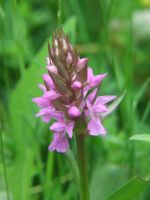 orchid
Throughout the seasons you will see a wide variety of wild and cultivated flowering plants in the woods and meadow.
In the depths of winter you will see the first hints of the spring when the Snowdrops (Galanthus nivalis) show their heads. From then on the woods come to life.
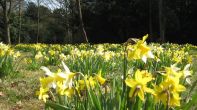
Over the past few years thousands of bulbs have been planted. These include Daffodils (Narcissus), Blue & White wood anemones (Anemone blanda & Nemorosa respectively), Snakes head fritillaries (Fritillaria meleagris), Grape hyacinth (Muscari latifolium), and Cyclamen (Cyclamen coum).
There are a wide variety of wild flowers which includes Primroses (Primula vulgaris), Red campion (Selene dioica), Forget-me-not (Myosotis) and Bluebells (Hyacinthoides non-scripta).
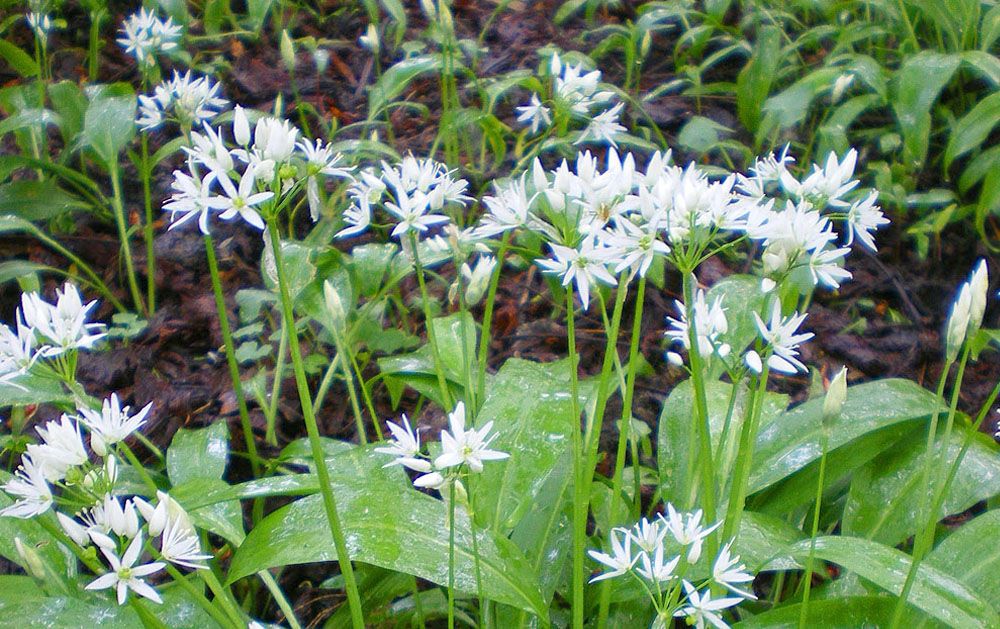
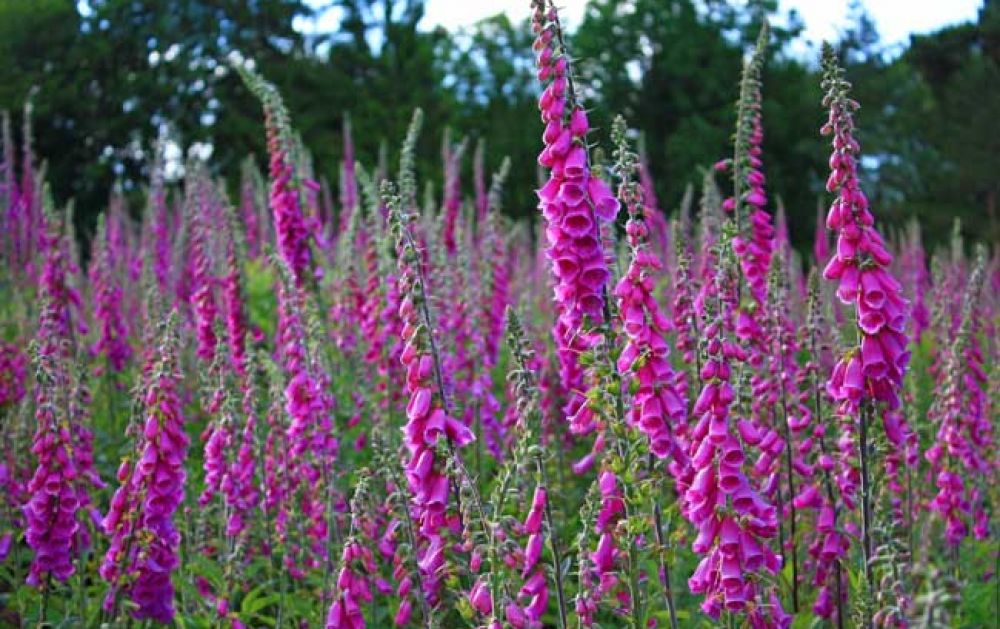
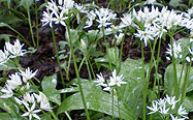
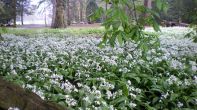
You can also see through the seasons Foxgloves (Digitalis Purpurea), the large bushes of common comfrey (Symphytum officinale), ramson (Allium Ursinum) which is commonly called wild garlic, rosebay willowherb (Chamerion augustifolium), woody nightshade (Solanum dunlcamar), teasel, yellow flag iris (Iris pseudacorus) around the water's edge, common field speedwell (Veronica persica) which gives a blue hue to the meadow in the spring and white clover (Trifolium repens).
There is also vibrant colour from Rhododendrons that are dotted throughout the woods.
In the hedgerows there are delicate hawthorn flowers, also known as May, Blackcurrant (Ribes nigrum), Blackberry (Rubus fruticosus) and Raspberry (Rubus idaeus), to wild roses (Rosa) and in the late autumn Ivy buds (Hedera helix) support many species of butterflies, bees and birds.
Flowers species of Apley Woods
| YORKSHIRE FOG | (HOLCUS LANATUS) |
| WHITE CLOVER | (TRIFOLIUM REPENS) |
| CREEPING BENT | (AGROSTIS STOLONIFERA) |
| COMMON RAGWORT | (SENECIO JACOBAEA) |
| FALSE OAT GRASS | (ARRHENTHERUM ELATIUS) |
| GERMANDER SPEEDWELL | (VERONICA CHAMAEDRYS) |
| AUTUMN HAWKBIT | (LEONTODON AUTUMNALIS) |
| RYE GRASS | (LOLIUM PERENNE) |
| CREEPING BUTTERCUP | (RANUNCULUS REPENS) |
| COMMON MOUSE-EAR | (CERASTIUM FONTANUM) |
| CREEPING THISTLE | (CRISIUM ARVENSE) |
| NETTLE | (URTICA DIOICA) |
| SOFT RUSH | (JUNCUS EFFUSUS) |
| DANDELION | (TARAXACUM SPP.) |
| CURLED DOCK | (RUMEX CRISPUS) |
| BIRD'S FOOT TREFOIL | (LOTUS CORNICULATUS) |
| COCKSFOOT | (DACTYLIS GLOMERATA) |
| BRAMBLE | (RUBUS FRUTICOSUS) |
| HOGWEED | (HERACLEUM SPHONDYLIUM) |
| FAT HEN | (CHENOPODIUM ALBUMN) |
| GREATER BIRD'S TREFOIL | (LOTUS PEDUNCULATUS) |
| MEADOW VETCHLING | (LATHRYUS VERNUS) |
| REDSHANK | (PERSICARIA MACULOSA) |
| MARCH FOXTAIL | (ALOPECURUS GENICULATUS) |
| WATER FORGET ME NOT | (MYOSOTIES SCORPOIDES) |
| MAYWEED | (ANTHEMIS COTULA) |
Supported by



- Supporting images
- Wild Garlic
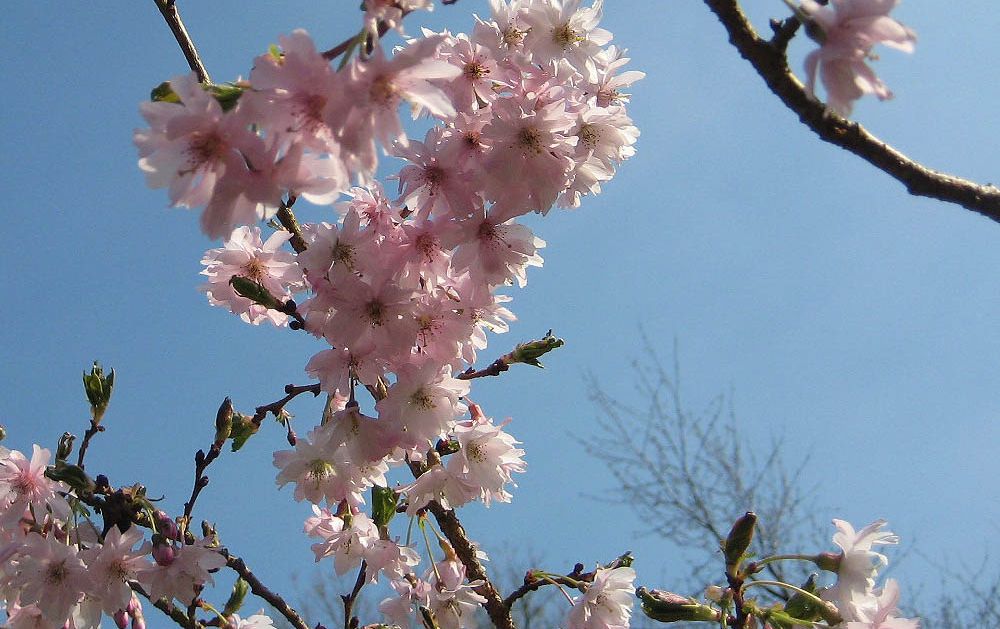
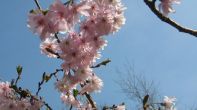
- Blossom
- Daffodils
- Wild Garlic
- MBE for Voluntary Services

- Caring for the Woods and Wildlife
Friends of Apley Woods are now on Facebook.
You can now follow Friends of Apley Woods on Twitter